Expert Roof Installation: Protecting Your Home With Precision and Care
A home's roof plays a critical role in protecting the structure, belongings, and people inside from changing weather conditions. From heavy rainfall and strong winds to intense sunlight and seasonal temperature changes, roofing materials must withstand constant exposure to the elements. When a roof becomes worn, damaged, or outdated, installing a new system can help restore protection and improve the property's overall appearance. However, successful roof installation involves much more than placing shingles or other materials over an existing structure. Proper planning, accurate measurements, quality materials, and careful workmanship all contribute to the roof's long-term performance. Experienced roofing contractors understand how these factors work together to create a dependable roofing system. Home Solutions Pro recognizes the importance of approaching roofing projects with attention to detail and an emphasis on protecting the home. Understanding the installation process can help homeowners make informed decisions and prepare for a roofing investment that supports their property's condition for years to come.
Evaluating the Roof Before Installation
Every successful roofing project begins with a thorough evaluation of the existing roof and the structure beneath it. This assessment helps identify damaged shingles, deteriorated flashing, moisture intrusion, and other conditions that could affect the new installation. Contractors also examine the roof's shape, slope, drainage features, and ventilation arrangements to determine the appropriate installation approach. Existing roofing materials may conceal problems such as weakened decking or moisture damage that require attention before new materials are installed. Identifying these concerns early helps prevent underlying issues from compromising the finished roof. Homeowners should discuss visible leaks, recurring water stains, and previous repair work during the initial consultation. Qualified roofing contractors use this information to develop a project plan that addresses the property's specific requirements. A careful evaluation creates a stronger foundation for accurate estimates, suitable material selection, and effective installation.
Selecting Materials for Long-Term Protection
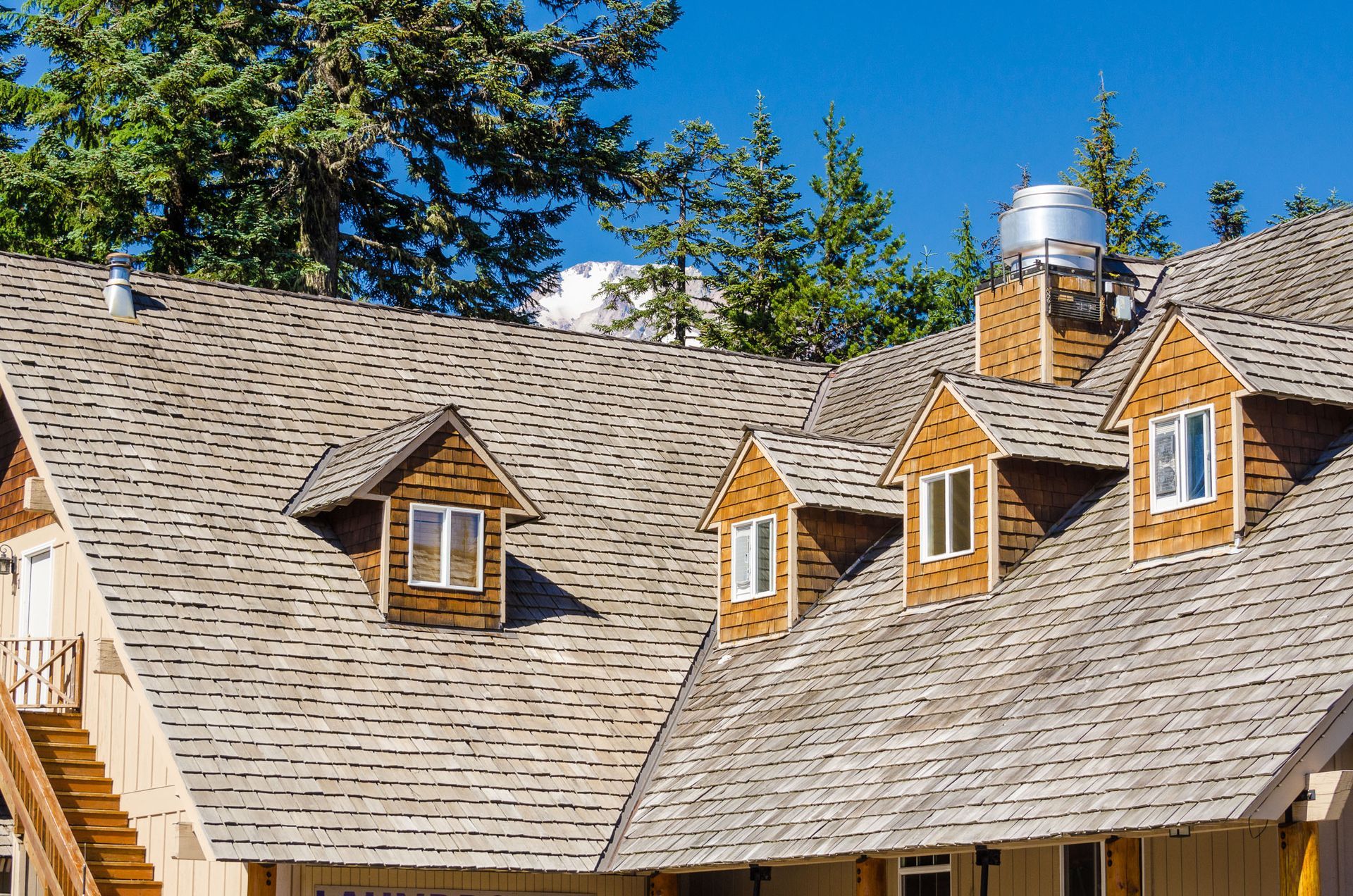
Choosing appropriate roofing materials is an important decision that influences durability, maintenance requirements, appearance, and overall project costs. Asphalt shingles remain a common residential option because they are available in numerous colors and styles and can suit many architectural designs. Metal roofing offers another choice, with different panel profiles and finishes that can complement contemporary and traditional homes. Other materials, including tile and slate, may provide distinctive appearances and long service lives when the roof structure and local conditions support their use. Each material has different installation requirements, weight considerations, and maintenance needs. Homeowners should also consider local building codes, expected weather exposure, and manufacturer specifications when comparing available options. Experienced roofing contractors can explain the practical differences between materials and help homeowners understand which choices fit their properties. Selecting suitable products from the beginning helps support a roofing system designed for its intended environment.
Preparing the Roof Deck for Installation
The roof deck provides the structural surface that supports the roofing materials, making its condition essential to the completed system's performance. Before installation begins, contractors inspect accessible decking for signs of rot, moisture damage, deterioration, or other weaknesses. Damaged sections may need to be replaced to provide a stable base for the new roofing materials. Contractors also prepare the surface by removing unsuitable debris and ensuring that installation areas meet the manufacturer's requirements. Underlayment and other protective components are then installed as specified for the selected roofing system. These layers help manage moisture and provide additional protection beneath the exterior roofing material. Skipping necessary preparation can leave the roof vulnerable to problems that may not become apparent until after the project is complete. Careful preparation allows roofing contractors to address hidden concerns and create a sound foundation for the remaining installation steps.
Installing Protective Layers and Flashing
A dependable roofing system relies on several components working together rather than on the visible roofing material alone. Underlayment provides a protective layer beneath shingles or other coverings, while flashing helps direct water away from vulnerable joints and openings. Areas around chimneys, skylights, vents, valleys, and roof edges require particular attention because water can enter where different surfaces meet. Contractors must install these components according to the roofing system's specifications and applicable building requirements. Poorly fitted flashing can create pathways for moisture even when the surrounding shingles appear to be in good condition. Ice and water protection may also be necessary in certain locations or roof areas, depending on climate and code requirements. Properly integrated protective layers help reduce the likelihood of leaks and moisture-related damage. Skilled roofing contractors understand the importance of completing these details carefully before the project moves toward its final stages.
Improving Ventilation and Moisture Control
Roof ventilation helps regulate temperatures and manage moisture within the attic space. Without adequate airflow, heat and humidity can accumulate, potentially contributing to condensation, material deterioration, and uncomfortable indoor conditions. Excessive attic heat may also affect cooling demands during warmer months, although the overall impact depends on insulation, air sealing, climate, and other building characteristics. A properly designed ventilation system generally combines suitable intake and exhaust openings to encourage consistent airflow. Contractors should evaluate existing ventilation rather than assuming that adding more vents will automatically improve performance. The balance between intake and exhaust, the attic's configuration, and the condition of insulation can all influence the outcome. Homeowners should also understand that ventilation cannot replace necessary repairs to roof leaks or inadequate insulation. Including ventilation considerations in the installation plan helps roofing contractors create a system that supports the roof's overall performance.
Following Precise Installation Techniques
Accurate installation practices help roofing materials perform as intended and reduce the risk of premature failure. Contractors must follow manufacturer instructions for fastening patterns, material placement, overlapping sections, and other installation details. For shingle roofs, proper alignment and fastening help maintain consistent coverage and support resistance to wind uplift. Metal roofing requires attention to panel positioning, fastening systems, and expansion considerations, while tile systems may require specialized support and attachment methods. Weather conditions during installation can also affect how certain materials should be handled and secured. Contractors need to coordinate each stage of the project so that exposed areas receive appropriate protection as work progresses. Careful workmanship helps prevent avoidable gaps, loose components, and other installation defects. Choosing qualified roofing contractors gives homeowners a better opportunity to receive a finished roof that meets the requirements of the selected system.
Protecting Home Value Through Quality Roofing
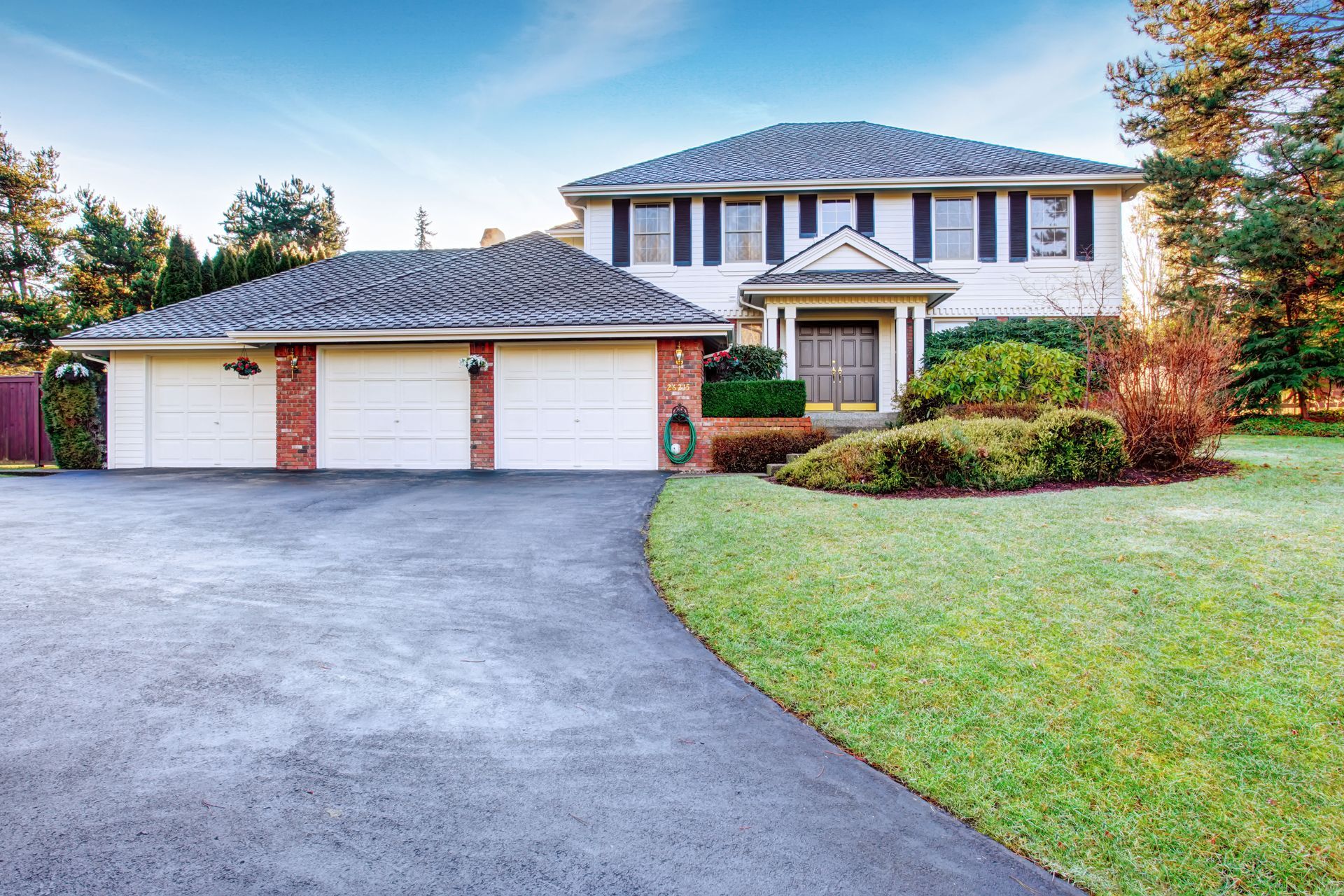
A new roof can improve curb appeal, address existing roofing concerns, and make a property more attractive to prospective buyers. According to Architectural Digest, new roofing can provide a return on investment of 100% of the home's value, highlighting its potential financial appeal to homeowners considering this improvement. Actual resale benefits vary according to local market conditions, the roofing material selected, installation quality, and the property's overall condition. A replacement roof may also help homeowners address leaks and visible deterioration that could otherwise raise concerns during a property inspection. However, a new roof does not guarantee a particular increase in selling price or eliminate the need for other home improvements. Keeping documentation of materials, warranties, permits, and completed work can help homeowners explain the project's scope to future buyers. Quality installation and appropriate maintenance support the roof's usefulness beyond its initial appearance. Investing in a well-planned roofing project can therefore contribute to both everyday protection and the property's overall presentation.
Although cost matters, the lowest estimate may not include every component necessary for a complete and durable roofing system. Home Solutions Pro understands the value of careful planning and professional workmanship when homeowners are considering roofing improvements. Contact us today to discuss your roof installation needs and take the next step toward protecting your home with a roofing system designed for dependable performance.
Share On: